Architectural Landscapes: The Evolution of Roman Gardens at Museo di Roma
Until April 12, 2026 the Museo di Roma presents a scholarly examination of the city's historic villas, tracing their development from private enclaves of power to public heritage sites.
Renaissance Geometry and the Lineage of the Formal Garden
The exhibition opens with the 16th-century rediscovery of the classical otium. Through 190 works, including previously unseen sketches and paintings, the narrative follows the transition of rural vineyards into sophisticated gardens. Influenced by the likes of Sangallo and Vignola, estates such as Villa Giulia and Villa Medici established a Roman model of landscape design that would be emulated throughout Europe for centuries.
Baroque Grandeur and the Shift Toward Urban Public Spaces
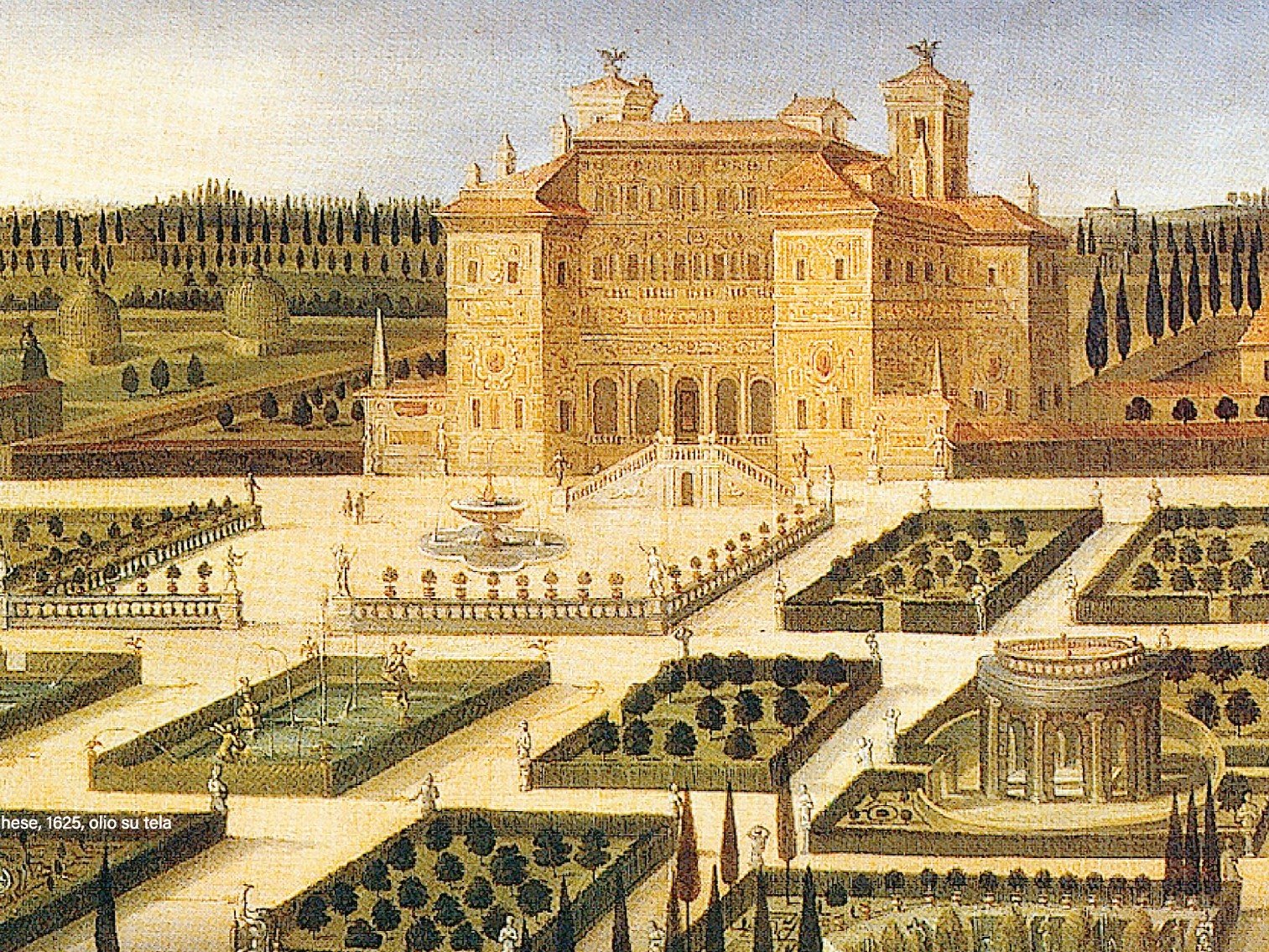
During the 17th century, the restoration of ancient aqueducts allowed for the theatrical water features seen in Villa Borghese. However, the 19th century introduced a period of profound change. As Rome transitioned into the capital of Italy, many aristocratic estates were lost to urbanization. The exhibition meticulously documents these disappearances, highlighting the emergence of "democratic" green spaces and public promenades that reshaped the city's social fabric.
Twentieth-Century Vision and the Social Rhythm of Villa Life
The final sections explore the 20th-century landscape, characterized by the rationalist designs of Raffaele de Vico and the preservation of sites like Villa Mattei Celimontana. Beyond the physical structures, the exhibition examines the cultural habits formed within these walls; intellectual symposia, hunting parties, and the ritual of the Grand Tour. It is a comprehensive look at how these green sanctuaries continue to define the urban rhythm of modern Rome.
Discover the botanical narrative of the city, book your stay at Palazzo Venere.
 Add-on

 View all offers